
Revitalizing Mobility: Advanced Orthopedic Treatments

Revitalizing Mobility: Advanced Orthopedic Treatments

Revitalizing Mobility: Exploring Advanced Orthopedic Treatments

Orthopedic treatments have undergone transformative advancements, offering individuals innovative solutions to enhance mobility, alleviate pain, and restore quality of life. In this comprehensive exploration, we navigate through the spectrum of cutting-edge orthopedic treatments, shedding light on the diverse approaches that empower individuals to regain control of their musculoskeletal health.

Precision Diagnosis: A Fundamental Starting Point

The journey to revitalizing mobility begins with precision diagnosis. Orthopedic specialists employ state-of-the-art imaging technologies such as MRI, CT scans, and X-rays to meticulously assess musculoskeletal conditions. This detailed diagnostic approach allows for the identification of specific issues, whether it be joint disorders, fractures, or degenerative conditions, laying the groundwork for tailored treatment plans.

Non-Surgical Interventions: Minimally Invasive Alternatives

Non-surgical orthopedic interventions offer minimally invasive alternatives for managing various musculoskeletal conditions. Techniques such as corticosteroid injections, physical therapy, and regenerative medicine therapies like platelet-rich plasma (PRP) injections aim to alleviate pain, reduce inflammation, and promote healing without the need for surgical intervention. These non-invasive approaches prioritize both effectiveness and faster recovery times.

Arthroscopic Procedures: Precision Through Small Incisions

Arthroscopic procedures represent a breakthrough in orthopedic treatments, allowing for precision through small incisions. This minimally invasive technique involves inserting a tiny camera and specialized instruments into the affected joint, enabling orthopedic surgeons to visualize, diagnose, and treat conditions such as torn ligaments, cartilage damage, and joint disorders with remarkable precision.

Joint Replacement Surgery: Restoring Functionality

For individuals with severe joint damage, joint replacement surgery emerges as a transformative orthopedic treatment. Hip, knee, and shoulder replacements, among others, aim to restore functionality and relieve pain by replacing damaged joints with artificial implants. Advances in implant materials and surgical techniques contribute to improved durability and enhanced postoperative outcomes.

Regenerative Medicine: Harnessing the Power of Healing

Regenerative medicine has emerged as a promising frontier in orthopedic treatments, harnessing the power of the body’s natural healing processes. Stem cell therapy and PRP injections, in particular, focus on promoting tissue regeneration and reducing inflammation. These innovative approaches offer potential benefits for conditions such as osteoarthritis, tendon injuries, and musculoskeletal degeneration.

Spine Treatments: Precision for Complex Conditions

Orthopedic treatments extend to addressing complex spine conditions that impact mobility and overall well-being. Spinal surgeries, such as laminectomy, spinal fusion, and disc replacement, are designed to address issues like herniated discs, spinal stenosis, and deformities. These precision treatments aim to alleviate pain, stabilize the spine, and enhance the individual’s ability to move comfortably.

Sports Medicine Interventions: Enhancing Performance and Recovery

Athletes and active individuals benefit from specialized orthopedic treatments within the realm of sports medicine. Techniques such as arthroscopic surgery for sports injuries, ligament reconstructions, and advanced rehabilitation programs are tailored to enhance performance, expedite recovery, and prevent recurrent injuries, ensuring individuals can pursue their athletic passions with confidence.

Comprehensive Rehabilitation: Building Strength and Flexibility

Orthopedic treatments are complemented by comprehensive rehabilitation programs focused on building strength, flexibility, and functional abilities. Physical therapy, occupational therapy, and targeted exercise regimens play a pivotal role in postoperative recovery, injury prevention,

Thriving Kids: Nurturing Pediatric Wellness

Thriving Kids: Nurturing Pediatric Wellness

Thriving Kids: Nurturing Pediatric Wellness

Ensuring the well-being of children is paramount for their growth and development. Pediatric wellness encompasses a holistic approach to children’s health, addressing physical, emotional, and social aspects. Let’s explore key components of pediatric wellness and strategies to foster a thriving environment for kids.

Holistic Approach to Pediatric Wellness: Beyond Physical Health

Pediatric wellness extends beyond addressing physical health concerns. It embraces a holistic approach that recognizes the interconnectedness of physical, emotional, and social well-being in children. A comprehensive approach ensures that all aspects of a child’s development are considered for optimal growth and overall wellness.

Nutrition for Growing Bodies: Building Healthy Foundations

Nutrition is foundational to pediatric wellness, providing the building blocks for healthy growth and development. A balanced diet rich in essential nutrients supports immune function, cognitive development, and overall vitality in children. Educating parents and caregivers about nutritious food choices contributes to establishing healthy eating habits from an early age.

Physical Activity and Development: Fostering Active Lifestyles

Encouraging physical activity is crucial for pediatric wellness. Regular exercise not only promotes physical health but also supports cognitive function, social skills, and emotional well-being in children. Creating opportunities for active play and organized activities contributes to the development of strong, healthy bodies and positive lifestyle habits.

Emotional Well-being: Nurturing Mental Health in Children

Emotional well-being is an integral component of pediatric wellness. Fostering a positive and supportive environment at home and school is essential for children’s mental health. Encouraging open communication, teaching emotional intelligence, and addressing stressors contribute to building resilient and emotionally balanced children.

Preventive Healthcare: Regular Check-ups and Vaccinations

Preventive healthcare plays a key role in pediatric wellness. Regular check-ups with healthcare professionals allow for early detection of potential issues and monitoring of growth milestones. Vaccinations are crucial in preventing serious illnesses, protecting not only individual children but also contributing to community health by preventing the spread of contagious diseases.

Sleep Hygiene: Prioritizing Rest for Growing Bodies

Adequate sleep is fundamental for pediatric wellness. Establishing good sleep hygiene practices ensures that children get the recommended amount of rest for their age. Quality sleep supports physical and mental development, enhances immune function, and contributes to overall well-being in growing bodies.

Dental Health: Building Strong Oral Habits

Dental health is often overlooked but is vital for pediatric wellness. Teaching children proper oral hygiene habits, including regular brushing and flossing, contributes to strong teeth and gums. Regular dental check-ups help detect and address issues early, promoting a lifetime of good oral health.

Socialization and Peer Interaction: Building Social Skills

Socialization is a crucial aspect of pediatric wellness. Encouraging children to interact with peers, engage in group activities, and build friendships fosters the development of social skills. Positive social experiences contribute to emotional well-being and the formation of a strong support system for children.

Parental Involvement: A Cornerstone of Pediatric Wellness

Parental involvement is a cornerstone of pediatric wellness. Engaged parents actively participate in their children’s lives, providing emotional support, guidance, and a nurturing environment. Communication between

Heart Health Matters: Navigating Heart Conditions

Heart Health Matters: Navigating Heart Conditions

Navigating Heart Health Matters: Insights into Heart Conditions

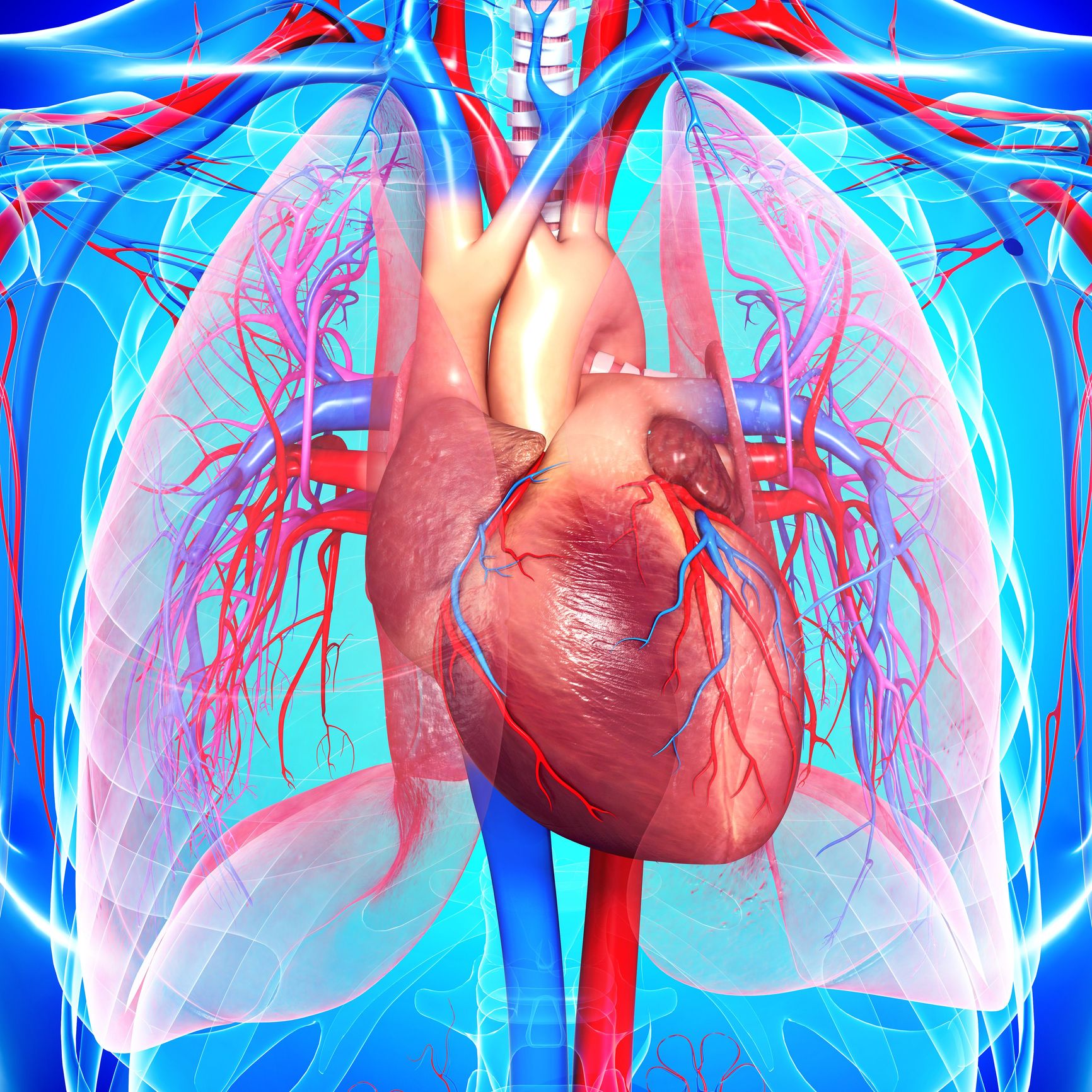
The heart, a vital organ that powers the entire body, requires careful attention to maintain optimal health. Understanding heart conditions, their risk factors, and proactive measures is essential for individuals seeking to prioritize their cardiovascular well-being.

Anatomy of Heart Conditions

Heart conditions encompass a range of disorders affecting the heart’s structure, function, and blood vessels. From coronary artery disease and heart failure to arrhythmias and valvular issues, these conditions demand attention due to their impact on overall health. Knowing the basics of each condition is a crucial step in navigating heart health.

Risk Factors and Prevention

Identifying risk factors for heart conditions is pivotal for prevention. Factors such as high blood pressure, high cholesterol, smoking, diabetes, and a sedentary lifestyle contribute to heart disease. Adopting a heart-healthy lifestyle, including regular exercise, a balanced diet, and stress management, can significantly reduce the risk of developing heart conditions.

Symptoms and Early Detection

Recognizing the symptoms of heart conditions is vital for early detection and intervention. Chest pain, shortness of breath, fatigue, and irregular heartbeats are common signs. Seeking medical attention promptly when these symptoms arise can lead to early diagnosis and effective management, preventing complications and improving outcomes.

Diagnostic Tools and Medical Assessments

Heart conditions often require thorough diagnostic assessments. Advanced tools such as electrocardiograms (ECGs), echocardiograms, and stress tests help healthcare professionals evaluate heart function. Regular check-ups and screenings contribute to early detection, allowing for timely interventions and personalized treatment plans.

Lifestyle Modifications for Heart Health

Making lifestyle modifications is a cornerstone of heart health. Adopting a heart-healthy diet rich in fruits, vegetables, and whole grains, along with reducing salt and saturated fat intake, promotes cardiovascular well-being. Regular physical activity and maintaining a healthy weight contribute to overall heart health.

Medication Management and Treatment Approaches

For individuals diagnosed with heart conditions, medication management plays a crucial role. Medications such as beta-blockers, ACE inhibitors, and statins help control blood pressure, improve heart function, and manage cholesterol levels. In some cases, surgical interventions or procedures like angioplasty may be recommended.

The Impact of Stress on Heart Health

Stress is a significant contributor to heart conditions. Chronic stress can lead to hypertension and other risk factors. Incorporating stress-reducing practices such as mindfulness, yoga, or meditation into daily life supports heart health by promoting relaxation and reducing the physiological impact of stress on the body.

Cardiac Rehabilitation and Post-Treatment Care

For individuals recovering from heart-related events or surgeries, cardiac rehabilitation plays a pivotal role. These programs focus on physical activity, education, and emotional support to aid recovery and enhance overall well-being. Post-treatment care and ongoing monitoring are essential components of managing heart conditions.

Support Systems and Lifestyle Choices

Building a robust support system is crucial for individuals managing heart conditions. Engaging with healthcare professionals, joining support groups, and fostering healthy relationships contribute to emotional well-being. Lifestyle choices, including avoiding tobacco and limiting alcohol intake, further support heart health and overall quality of life.

Accessing Resources for Heart