
 thyme
thyme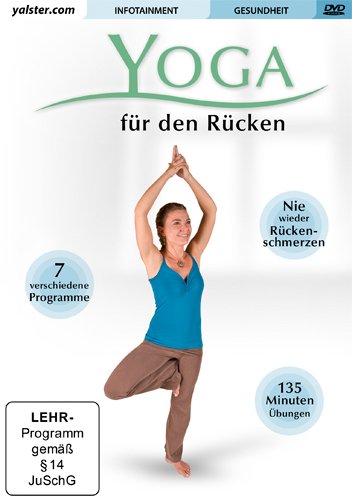
Gentle Yoga für den Rücken poses can relieve back pain and improve flexibility. Learn safe practices for lasting comfort from real experience.
For years, I struggled with persistent lower back discomfort, a common complaint for many desk workers like myself in the US. The constant ache affected my sleep, my mood, and even simple daily tasks. Traditional approaches offered temporary fixes, but I sought a sustainable solution. This led me to Yoga für den Rücken, a focused practice designed to support and strengthen the back safely. My journey has taught me the importance of mindful movement and consistency in achieving lasting comfort.
Overview
- Yoga für den Rücken emphasizes gentle, supportive poses to alleviate back pain and improve spinal health.
- The practice focuses on strengthening core muscles, increasing flexibility, and improving posture.
- Beginners should prioritize proper alignment and listen to their body to avoid strain.
- Modifications for poses are crucial for different back conditions and individual capabilities.
- Regular practice can lead to reduced chronic pain, better mobility, and enhanced body awareness.
- Incorporating specific poses like Cat-Cow, Child’s Pose, and gentle twists can offer immediate relief.
- Breathing techniques play a vital role in deepening stretches and promoting relaxation during practice.
Foundational Poses for Yoga für den Rücken
When starting Yoga für den Rücken, the emphasis is on gentle movements and building a strong foundation. These initial poses are not about deep stretches or contortions. They are about awareness, subtle strengthening, and releasing tension without causing further strain. I learned this the hard way, pushing too much initially and setting myself back. My instructor always reminded me that “less is more” when dealing with a sensitive back.
Key foundational poses include:
- Cat-Cow (Marjaryasana-Bitilasana): This flowing movement gently mobilizes the spine. Start on hands and knees, arching the back on an inhale (Cow) and rounding it on an exhale (Cat). Focus on spinal articulation, not just movement from the hips or shoulders. This helps warm up the entire spinal column.
- Child’s Pose (Balasana): A wonderful resting pose that gently stretches the lower back and hips. Kneel on your mat, sit back on your heels, and fold forward, resting your torso between your thighs. You can widen your knees for more space or keep them together for a deeper lumbar stretch. This pose offers immediate relief for many.
- Thread the Needle (Urdhva Mukha Pasasana): This pose gently twists the mid-back and shoulders, releasing tension. From hands and knees, thread one arm under the other, resting your shoulder and head on the mat. The other hand can reach forward or stay near your face. It’s a subtle but effective way to decompress the thoracic spine.
- Supine Spinal Twist (Supta Matsyendrasana): Lying on your back, hug one knee to your chest, then gently drop it across your body, keeping your shoulders grounded. This gentle rotation helps to release tension in the lower back and hips. Ensure the twist feels comfortable and never forced.
These poses, when practiced mindfully, help to create space in the vertebrae and encourage blood flow to the back muscles, preparing them for more stability work.
My Journey to Lasting Back Comfort
My personal experience with back pain started subtly. Long hours at a desk, compounded by poor posture, began to manifest as a dull ache in my lumbar region. It wasn’t until I started struggling with everyday movements, like bending down to tie my shoes, that I sought help. After consulting with a physical therapist, yoga was recommended as a supplementary practice. My initial apprehension about flexibility quickly faded once I found an instructor specializing in therapeutic yoga. They stressed the importance of listening to my body, a concept often overlooked in more vigorous exercise forms.
Consistency became my cornerstone. Even on days when my back felt stiff, I committed to short sessions, focusing on breathwork and gentle movements. I learned to distinguish between healthy stretch and pain. The relief wasn’t instant, but gradually, over weeks and months, I noticed a remarkable difference. My core felt stronger, my posture improved, and the nagging ache became less frequent. I started sleeping better, and my overall energy levels increased. This shift from chronic discomfort to sustained comfort has been profound, influencing my approach to all physical activity. It demonstrated that targeted, gentle movement truly heals.
Daily Practices and Modifications in Yoga für den Rücken
Integrating Yoga für den Rücken into a daily routine means adapting poses to your specific needs. Not every day will feel the same, and that’s perfectly normal. Flexibility and strength fluctuate, and your practice should reflect this. I’ve learned to modify poses based on how my back feels each morning. For instance, if my hamstrings are tight, I might use a strap in a seated forward fold to avoid rounding my lower back excessively.
Here are some modifications and daily practices I find invaluable:
- Supported Bridge Pose (Setu Bandhasana): Instead of lifting high, place a yoga block or firm cushion under your sacrum (lower back) in a comfortable position. This allows for a gentle inversion and passive back extension, offering relief without muscle strain. It’s an excellent way to open the chest and stretch the front of the body.
- Seated Forward Fold with Support (Paschimottanasana): Sit on a folded blanket or cushion to tilt your pelvis forward. If your hamstrings are tight, keep your knees slightly bent. Rest your hands on your shins or use a strap around your feet. The goal is a gentle stretch along the back of the legs and spine, not to touch your toes at all costs.
- Reclined Pigeon Pose (Supta Kapotasana): This variation of Pigeon Pose effectively opens the hips, which can greatly impact lower back comfort. Lie on your back, cross one ankle over the opposite knee, and gently draw the knees towards your chest. This ensures the lower back remains protected while stretching the piriformis muscle.
- Mindful Breathing: Incorporate diaphragmatic breathing throughout your practice. As you breathe deeply, visualize your breath expanding into your lower back, creating space and releasing tension. This simple act can profoundly deepen the therapeutic effects of the poses.
Remember, the goal is not to perform perfect poses, but to move safely within your current range of motion. Listen to your body’s feedback. Any sharp pain is a signal to ease off or adjust the pose immediately.
Integrating Yoga für den Rücken into a Daily Routine
Making Yoga für den Rücken a consistent part of your life doesn’t require hours on the mat. Even short, focused sessions can yield significant benefits. My routine often starts with 10-15 minutes of gentle stretches first thing in the morning, setting a positive tone for the day. This might include Cat-Cow, some gentle twists, and Child’s Pose. During my workday, I take short breaks to do seated stretches or stand up for a few minutes of spinal mobility, countering the effects of prolonged sitting.
For a deeper practice, I aim for 30-45 minute sessions three to four times a week. This allows time to warm up, engage in more strengthening poses for the core and glutes (which support the back), and end with relaxation. Poses like Plank variations, Modified Side Plank, and even gentle standing poses with proper alignment contribute to overall back stability. It’s about building a holistic practice. Think about how yoga integrates with your entire day, not just the time you allocate for formal practice. The awareness cultivated on the mat extends to how you sit, stand, and move throughout your day. Staying hydrated, maintaining a balanced diet, and getting adequate sleep also complement the physical benefits of yoga, creating a truly supportive environment for your back health. The blend of physical movement, breath awareness, and mental calm offered by Yoga für den Rücken provides a sustainable path to lasting comfort.