

 Liesel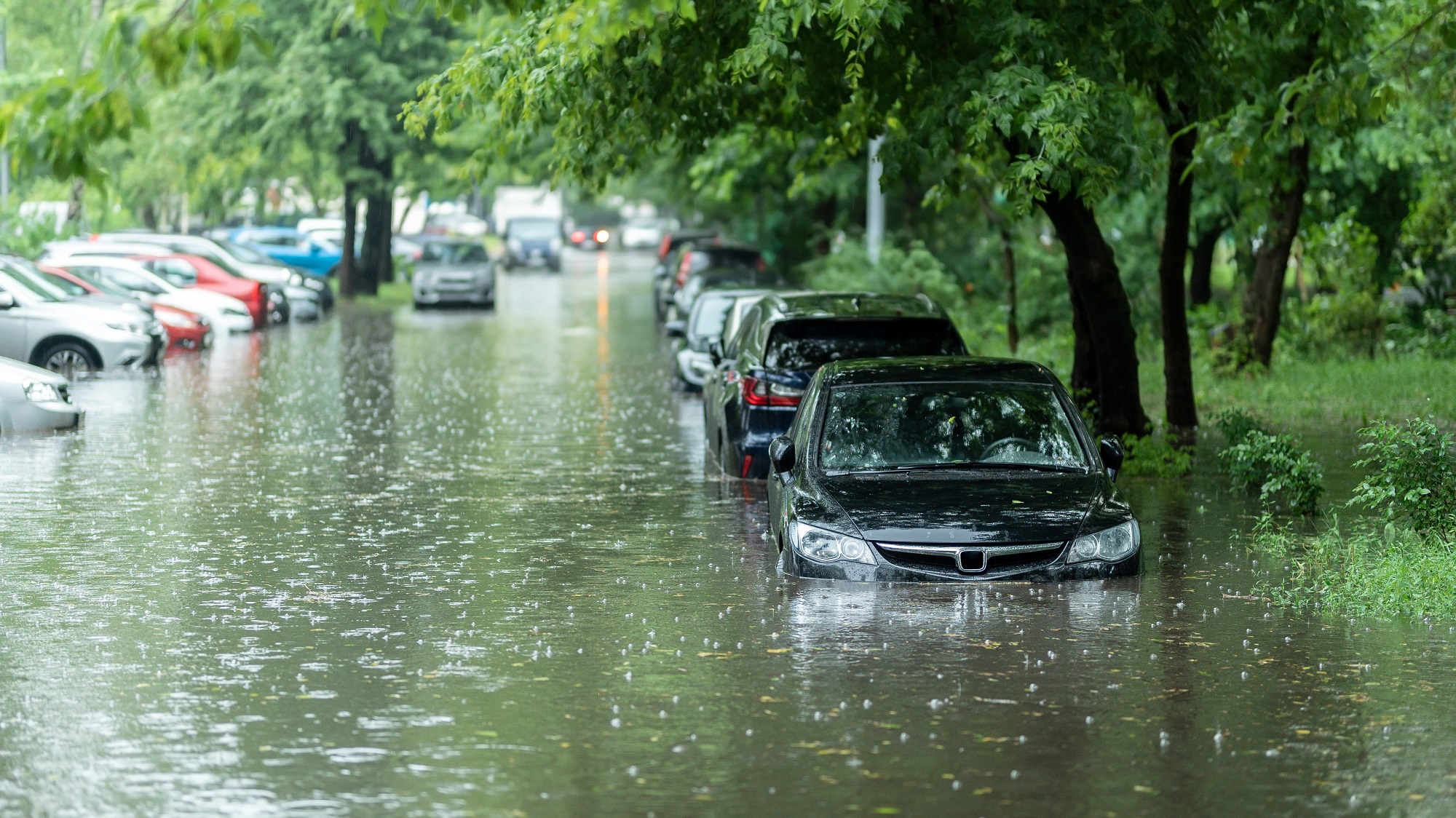
Flood damage in Hunterdon County is a recurring challenge that affects homeowners, renters, and local businesses throughout the region. With its mix of rural landscapes, riverbanks, and rapidly developing communities, Hunterdon County has seen a rise in weather-related incidents that contribute to flood risks. While insurance and local planning have helped mitigate some of the impact, many residents still find themselves caught off guard by the extent of damage and the speed at which water can destroy property.
When floods occur, time is not on your side. Water infiltration can quickly turn manageable damage into an overwhelming crisis, especially when electrical systems, flooring, drywall, and valuable possessions are affected. The cost of repair, the need for professional services, and the emotional toll that comes with restoring a home or business are all reasons why understanding the reality of flood damage in Hunterdon County is so important.
Why Hunterdon County Faces Repeated Flooding Incidents
Hunterdon County’s geography plays a major role in its vulnerability. With the Delaware River forming part of the county’s western boundary and many low-lying areas intersected by creeks and tributaries, the region is prone to flash flooding during heavy rainfall or snowmelt. In some areas, poor drainage infrastructure and aging water management systems make the situation worse, allowing water to accumulate faster than it can be drained.
Urbanization has also contributed to the frequency of flood events. As more developments replace green space with concrete, water runoff increases, overwhelming natural buffers that would otherwise help absorb excess water. When heavy storms hit, these conditions combine to create flash floods that can hit residential neighborhoods and commercial zones alike.
The problem isn’t always large-scale flooding either. Many instances of flood damage in Hunterdon County stem from basement seepage, clogged storm drains, and water intrusion during sudden downpours. While these situations might not make the news, they still cause expensive damage to property, especially if left unaddressed.
What Happens During the First Hours After Flood Damage
When flood damage strikes, the first few hours are crucial. Water seeps into walls, floors, and furniture almost immediately. Electrical hazards emerge quickly, especially when outlets or appliances are submerged. Even more concerning is the threat of mold, which can begin to form within 24 to 48 hours if moisture is not properly removed and surfaces are not disinfected.
Property owners often make the mistake of waiting to assess the situation before calling professionals, but delay can escalate the damage. Flooring materials begin to warp, insulation becomes waterlogged, and drywall starts to crumble. Even belongings stored off the ground aren’t always safe, as humidity and mold spores can contaminate the air and spread throughout the structure.
In cases of major flood damage in Hunterdon County, entire systems may need to be shut down, including HVAC and electrical lines. Local restoration teams usually advise that residents avoid entering flooded areas without proper protective gear, as contaminated water could carry bacteria, sewage, or chemicals depending on the source of the flood.
Choosing the Right Restoration Services in Hunterdon County
Not all restoration companies are equipped to handle the specific challenges of flood damage in Hunterdon County. Given the unique mix of historic properties, modern developments, and agricultural spaces, it’s important to work with professionals who understand the local building codes, materials, and environmental factors.
The most reputable restoration services offer comprehensive inspections, including moisture mapping, structural integrity checks, and mold risk assessments. Once the extent of the flood damage is determined, they deploy industrial-grade dehumidifiers, air movers, and water extraction systems to stabilize the environment and begin the drying process.
It’s also important to partner with a team that can help navigate insurance claims. Many policies have strict filing timelines, and having documentation of the damage from certified restoration experts can make a significant difference in what the policy ultimately covers. Flood damage in Hunterdon County can range from mild inconvenience to structural devastation, and the right team can help property owners recover more efficiently.
Long-Term Prevention and Mitigation Measures
One of the most valuable aspects of addressing flood damage in Hunterdon County is learning how to prevent it from happening again. While some storms are simply too intense to avoid damage altogether, there are practical steps that property owners can take to reduce future risks.
Drainage improvements are often the first line of defense. Ensuring that gutters and downspouts are clear and directing water away from the foundation is essential. Installing sump pumps in basements, along with battery backups, gives extra protection when power outages coincide with floods. In more flood-prone areas, elevating mechanical systems and sealing basement walls can prevent thousands of dollars in damage during major weather events.
Some homeowners even consider landscaping changes that redirect runoff and use native plants to absorb water naturally. Municipal programs and county services also provide floodplain maps and resources for property owners to assess their vulnerability and plan accordingly. With the right combination of preparation and professional support, many cases of flood damage in Hunterdon County could be significantly reduced or avoided.


 thyme
thyme